Who Called Me? How to Identify Unknown Callers and Stop Spam
That Unknown Number on Your Phone
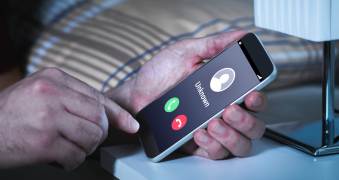
We have all been there. The phone rings, and the screen shows a number you do not recognize. Maybe it is a local exchange you have never seen before, or a mobile number from an area code across the country. The immediate question is usually the same: who called me? It is a simple question, but the answer can be surprisingly complicated these days. Between robocalls, telemarketing, and outright scam callers, the phone has become a battleground for your attention and your personal information.
I remember the first time I got a call from what looked like my own number. It was a spoofed caller ID, and the voice on the other end claimed to be from my bank. That call made me realize how easy it is for anyone to hide behind a string of digits. Since then, I have learned a lot about how phone numbers work, why unknown callers ring you, and what tools actually help you answer that nagging question of who called me.
Why Phone Numbers Are Not as Simple as They Seem
When you get a call, the number that pops up is sent through a system called CNAM, which stands for Calling Name Delivery. That is the service that tries to attach a name to the incoming number. But CNAM is not always accurate. It relies on databases that can be outdated or incomplete. A landline number from a business might show the company name, but a mobile number often shows nothing at all, or worse, the wrong name.
Number portability adds another layer of confusion. That number with a familiar area code might have been moved from one carrier to another, or even from a landline to a mobile phone. A number that used to belong to a local pizza place might now be a personal cell phone. So when you ask who called me, the area code alone is no longer a reliable clue.
The Rise of Spoofed Caller ID
Scam callers have gotten very good at faking the information that shows up on your phone. They can make any number appear on your caller ID, including numbers that look like they are from your own neighborhood or even your own contacts. This is why you cannot always trust what you see. A call that looks local might actually be coming from a call center overseas. The FCC has taken steps to crack down on this practice, but it remains widespread. The National Do Not Call Registry helps block legitimate telemarketers, but it does nothing against illegal robocalls or spoofed numbers.
Tools That Help You Identify Unknown Callers
Over the years, I have tested several services and apps that claim to help you figure out who called you. Some are free, some charge a fee, and each has its own strengths and weaknesses. Here is what I have found from real use.
Reverse Lookup Databases and Services
A reverse phone lookup is the most direct way to answer the question. You type in the number, and the service searches its reverse lookup database for matching records. Some databases are huge and include names, addresses, and even spam reports from other users. Others are shallow and give you nothing useful. The key is finding a service that has access to both public records and user-submitted data.
One thing I have noticed is that free lookups often give you only the city and carrier of the number. That can be enough to rule out a wrong number, but it rarely tells you the actual person or business. Paid services usually pull from a deeper pool, including credit header data and public directories. If you are dealing with repeated calls from the same number, a paid lookup is often worth the few dollars.
Apps Like Truecaller and TrapCall
Truecaller is probably the most well-known app for identifying unknown callers. It uses crowd-sourced data, so when someone marks a number as spam, everyone else sees that warning. I have used it for years, and it catches a lot of robocalls and telemarketers. But it is not perfect. If the number is new or rarely reported, Truecaller might show nothing. Also, the app requires access to your contacts and call logs, which some people find invasive.
TrapCall is a different kind of service. It focuses on unmasking anonymous callers who block their number. If you get a call from a blocked number, TrapCall can reveal the actual digits and sometimes even record the call. I have used it for business lines where clients sometimes hide their number out of habit. It works, but it is a subscription service and not something you need for casual use.
Whitepages and PhoneNumber.com also offer reverse lookups. Whitepages has a strong database of landline and business numbers, but mobile numbers can be harder to pin down. PhoneNumber.com is straightforward and often shows user comments about spam calls. None of these services are magic, but together they give you a fighting chance.
How Spam Calls Exploit Your Trust
Spam calls are not just annoying. They are a genuine risk. Scam callers use social engineering to trick you into giving up personal details, credit card numbers, or access to your computer. The classic "your Social Security number has been suspended" call is still common, and it works because the caller ID often looks official. I have had clients who almost fell for it because the number displayed matched a real government agency.

The FCC has rules about robocalls and telemarketing, but enforcement is slow. The National Do Not Call Registry helps reduce the volume of legal telemarketing calls, but illegal operations ignore it completely. That is why knowing who called me is not just about curiosity. It is about protecting yourself from fraud.
Practical Steps to Take When You Get an Unknown Call
When you see a number you do not recognize, do not answer right away. Let it go to voicemail. Scam callers rarely leave a message, and if they do, you can listen later without pressure. Then, search the number online or use a reverse lookup tool. If the number is reported as spam, block it.
Here are a few things I do that have saved me from trouble:
- Never call back a number that rings once and hangs up. That is a common robocaller tactic to verify your number is active.
- Add your number to the National Do Not Call Registry. It will not stop scammers, but it cuts down on legitimate telemarketing calls.
- Use a call-blocking app that checks numbers against a spam database before the phone even rings.
- If a caller claims to be from a company, hang up and call the official number on their website.
These steps are simple, but they work. The hard part is staying disciplined when you are busy or distracted.
When a Number Seems Local but Feels Wrong
Area codes used to tell you exactly where a call came from. If you saw 212, you knew it was New York City. 310 meant Los Angeles. But with number portability and VoIP, a number with your local area code could be routed through a server in another country. I once got a call from a number with my own area code and the first three digits matching my own phone. It was a spoofed caller ID, and the call was a phishing attempt.
If you get a call from an anonymous caller or a number that looks local but the conversation feels off, trust your gut. Hang up and verify through another channel. A legitimate business will understand.
The Limits of Technology
No tool can identify every unknown number with 100 percent accuracy. CNAM lookups fail, databases get stale, and scam callers constantly change their numbers. Even the best reverse lookup database can only work with the data it has. If a number has never been reported or listed, you might get nothing back. That is frustrating, but it is the reality of a system built on voluntary updates and public records.
That said, using a combination of services and common sense will catch most of the bad actors. The goal is not to know every single caller. The goal is to avoid being scammed and to reduce the noise from unwanted calls.
Final Thoughts on the Mystery of Unknown Numbers
The next time your phone lights up with a number you do not recognize, take a breath. You have options. You can search it, block it, or let it go. The important thing is not to panic and not to engage with someone who might be trying to take advantage of you. Knowing who called me is a skill that gets easier with practice. And the more you use the tools available, the better you get at telling the difference between a wrong number and a real threat.
Stay curious, stay cautious, and do not let the robocalls win.